
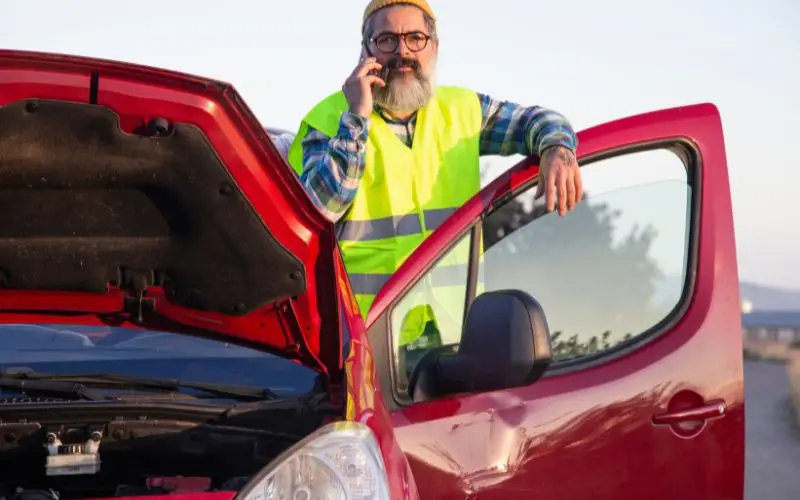
Car accidents can occur at any second. Even in the smallest accidents, you might find yourself not knowing what to do or having your senses confused. Taking the proper steps immediately following an accident will ensure safety, help with any insurance claim, and save you from further distress. By taking the appropriate steps, you will be able to protect yourself from further harm as well as aid all those involved in getting the necessary help, regardless of the condition of the car after the accident—be it operable or requiring specialized recovery services. This information provides all the essential steps that UK drivers need to take in case of a road traffic accident.
Stay Calm and Check for Injuries
Safety is always the first priority. Breathe deeply, then assess the situation before leaving the vehicle. Inspect for injuries in yourself and your passengers. If a person looks severely injured, dial 999 for an ambulance right away. If it is not absolutely essential, do not move injured people (unless there is an immediate danger such as a fire or an approaching vehicle). If it is possible and safe to remove everyone from the vehicle, do so cautiously and proceed to a safe spot.
Make the Accident Scene Safe
After everyone has escaped safely, minimize the potential for additional collisions:
-
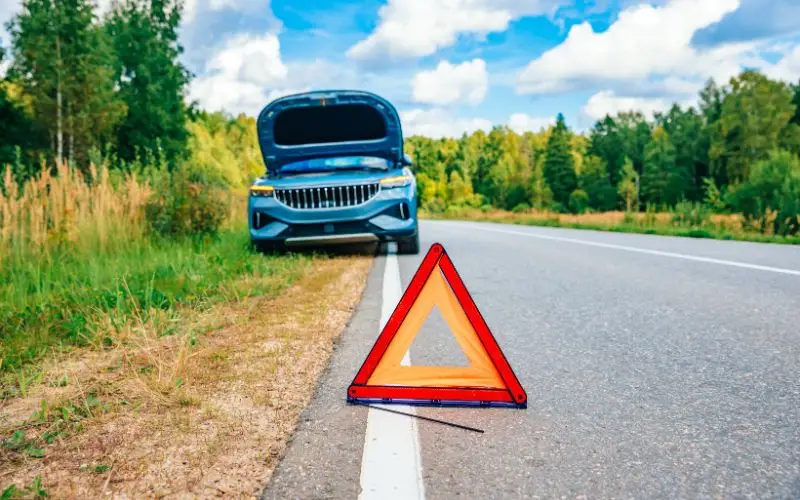
Turn on your hazard warning lights: Activate your lights immediately so that other motorists can see you.
-
Wear high-visibility gear: Where feasible, put on a reflective jacket prior to exiting the car.
-
Never enter the road if it can be avoided: Do not stand in the line of fire or in the path of moving traffic.
-
Move to safety: If your car is creating a hazard for others and you are able to move it safely, pull over to a nearby safe place. If it is not possible to move the vehicle, step away from it.
Call the Emergency Services When Required
While not all accidents have to be reported to the police, call emergency services if:
-
An injury occurs.
-
The road is obstructed and passage is impossible.
-
A vehicle is leaking fuel.
-
The road is scattered with dangerous debris or obstacles.
-
A driver appears to be under the influence of alcohol or drugs.
-
The other driver leaves the scene.
Emergency personnel can cordon off the area and provide proper assistance to everyone involved.
Exchange Information with the Other Driver
Under UK law, drivers who are involved in an accident must provide specific details. Be sure to gather:
-
Full name
-
Address
-
Telephone number
-
Vehicle registration number
-
Insurance details
-
Make and model of the vehicle
Be polite and avoid arguing about who was at fault for the accident. Fault should be determined later by insurers based on the available evidence.
Collect Evidence at the Scene
The more evidence you gather, the smoother your insurance claim process will be. Make sure to take clear photos of:
-
Vehicle damage
-
Number plates
-
Road conditions and markings
-
Road signs and junction layouts
-
Skid marks
-
Traffic signals
-
Weather conditions
If there are independent witnesses, politely ask for their contact information. Many drivers also rely on dash camera recordings to support insurance claims.
Avoid Accepting Liability
If you believe the accident may have been your fault, do not take responsibility at the scene. There could be underlying issues or factors you are unaware of, and insurers will thoroughly examine the incident based on evidence from both parties. Simply exchange information and cooperate calmly.
Determine if Your Car is Safe to Drive
Some vehicles may look normal on the outside but have underlying mechanical issues. Inspect for:
-
Steering issues
-
Brake performance
-
Fluid leaks
-
Broken lights
-
Tyre damage
-
Suspension damage
-
Smoke exiting the engine
If you are unsure, do not drive. Utilizing professional vehicle towing, car recovery, or vehicle transportation services can prevent additional damage and keep you safe.
Set Up Safe Vehicle Recovery
The safest recovery of the vehicle after an accident is often the best choice. Recovery professionals use vehicles specifically designed to transport damaged cars securely.
Selecting professional recovery helps to:
-
Avoid additional vehicle damage.
-
Keep motorists safe.
-
Reduce traffic disruption.
-
Preserve valuable evidence for insurance inspections.
If a vehicle cannot be operated safely, it is best to arrange for it to be promptly recovered.
How Ezee Recovery Can Help
Not all accidents can be repaired at the roadside. Often, the only option is to transport the vehicle to your home or chosen garage for repairs.
Ezee Recovery provides:
-
24/7 Breakdown Recovery
-
Accident Recovery
-
Car Recovery
-
Vehicle Towing
-
Vehicle Transportation
-
Long Distance Recovery
-
Roadside Assistance Services
Recovery specialists use advanced recovery trucks to provide fully insured transport services across the UK, ensuring drivers get seamless assistance without having to risk driving an unsafe vehicle.
Be Safe While Waiting for Recovery
Standing near a busy road carries serious risks. Take these basic precautions while waiting:
-
Stay behind the safety barrier: Stand behind the barrier whenever possible. Where no barrier exists, remain a safe distance away from moving traffic.
-
Keep pets and children safe: Keep children and pets secure and away from traffic. Ensure everyone stays off the carriageway.
-
Leave hazard lights on: If your battery allows, keep warning lights on to remain visible to approaching traffic.
Avoid Roadside Repairs
Do not attempt roadside repairs after an accident unless it is a minor fix and completely safe to perform. In most situations, it is far safer to rely on professional roadside assistance.
Common Mechanical Issues Caused by Accidents
Even minor collisions can cause hidden mechanical faults:
-
Flat Tyres: Tyres can tear or alloy wheels can deform from impacts with kerbs or debris.
-
Flat Battery / Electrical Failure: Electrical systems can fail following an impact. In cases with no structural damage, jump-start or battery assistance can help.
-
Cooling System Damage: Radiators can crack during collisions, leading to engine overheating.
-
Suspension Damage: Steering alignment and suspension components can be compromised even in low-speed impacts.
-
Fluid Leaks: Never drive if oil, coolant, or brake fluid is leaking.
Cost-Saving Tips After a Car Accident
An accident can be costly, but smart decision-making can minimize unnecessary expenses:
-
Photograph all vehicles prior to moving them.
-
Report the accident to your insurer immediately.
-
Keep all recovery invoices and receipts.
-
Rely on professional vehicle transportation rather than risking further damage by driving.
-
Refrain from unnecessary or risky emergency repairs.
-
Pay close attention to your insurance company’s reporting requirements.
Organized records help accelerate claims and reduce disputes.
Preventative Vehicle Maintenance
While some accidents are unavoidable, proper vehicle maintenance reduces the risk of mechanical failure on the road:
-
Monitor tyre pressure and tread monthly.
-
Check engine oil, coolant, and wiper fluid levels regularly.
-
Inspect battery health, especially before winter.
-
Ensure all lights and brakes are in full working order.
Real-Life Recovery Scenario
A driver is involved in a rear-end collision during heavy rain on a busy dual carriageway. While no one is injured, the rear bumper is loose, one wheel is damaged, and warning lights appear on the dashboard. Rather than attempting to drive further, the motorist safely parks away from moving traffic, exchanges details, takes photographs of the scene, and contacts professional accident recovery services to transport the vehicle safely.
Expert Recommendations for UK Motorists
Road safety experts recommend the following key actions:
-
Prioritize personal safety over vehicle damage.
-
Never ignore dashboard warning lights following a collision.
-
Do not drive a vehicle with suspected steering or brake issues.
-
Keep emergency contact numbers saved on your phone.
-
Carry a emergency kit (mobile charger, warning triangle, flashlight, high-vis jacket).
-
Book professional recovery whenever roadworthiness is in doubt.
Conclusion
Knowing what to do after a road traffic accident ensures your safety and streamlines the insurance claims process. Staying calm, gathering accurate information, and making informed recovery arrangements will prevent further issues. If your vehicle is unsafe to drive, Ezee Recovery offers 24/7 breakdown recovery, accident recovery, vehicle towing, vehicle transportation, and roadside assistance throughout the UK.
FAQs
What should be my first step after a car accident?
Check if anyone is injured, turn on your hazard lights, move to a safe location if possible, request emergency services if needed, exchange details with other drivers, gather scene evidence, and arrange professional recovery if your vehicle is unsafe to drive.
Is it necessary to move my car after an accident?
If the vehicle poses a danger and can be moved safely, move it to a safe spot nearby. If moving the vehicle is hazardous or impossible, leave it in place and step away to safety.
Can I drive my vehicle after a minor accident?
Only if the vehicle is fully roadworthy. Check your steering, brakes, tyres, lights, and look for fluid leaks. If you have any doubts about safety, arrange for recovery instead of driving.
When should I call for Accident Recovery services?
Request accident recovery whenever your vehicle is no longer roadworthy, has suffered mechanical or structural damage, or poses a hazard to other road users.
Does vehicle recovery help with an insurance claim?
Yes. Professional recovery prevents additional damage to your vehicle and safely delivers it to an approved garage. Additionally, recovery documentation and scene photos serve as evidence for your insurance claim.
How can I prevent vehicle breakdowns on the roadside?
Routine vehicle servicing, regular tyre and battery checks, and maintaining proper fluid levels help prevent mechanical failures while driving.